
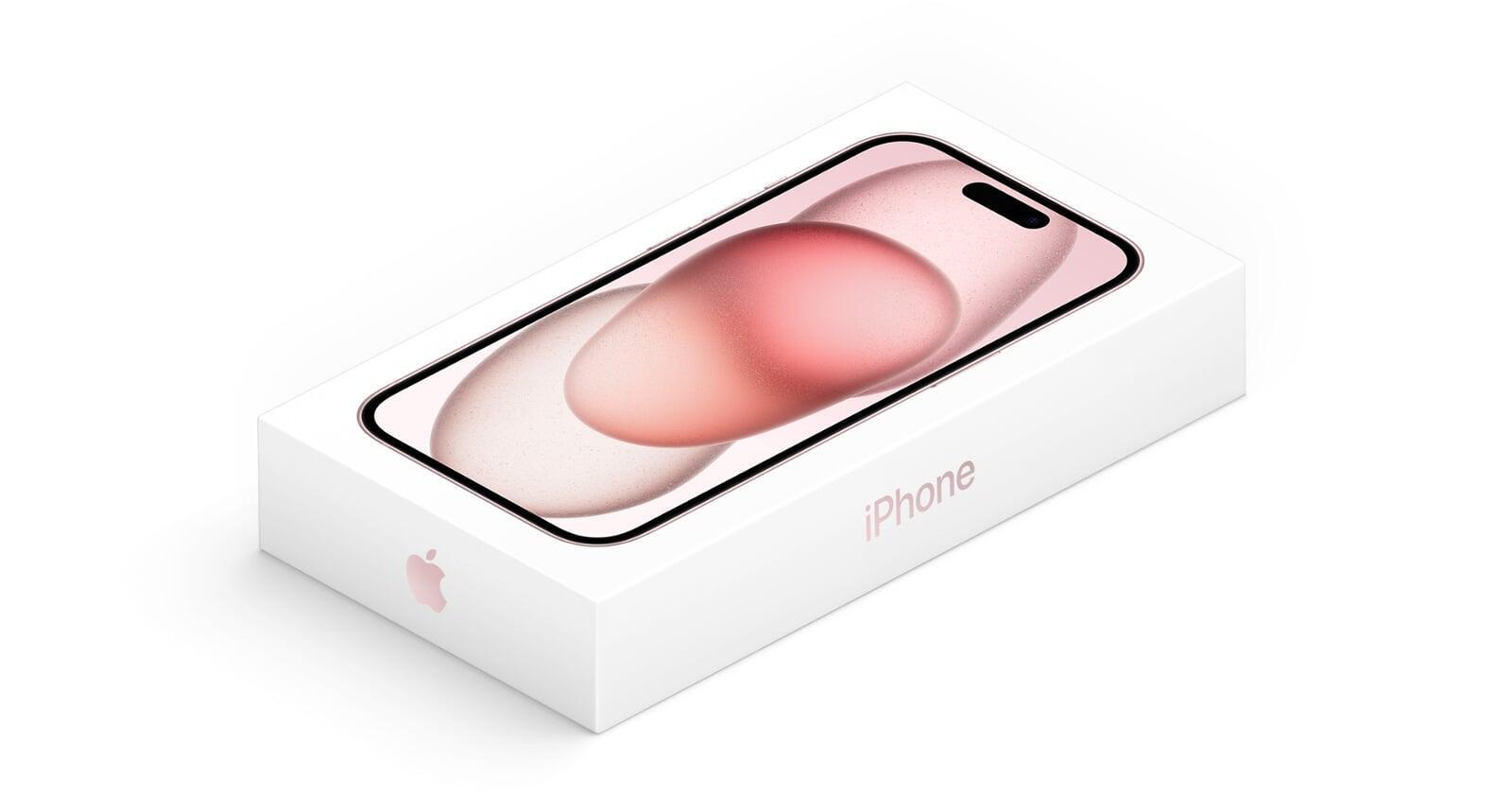
You keep the iPhone box.
You know you shouldn’t. You’ll probably never sell the phone. And even if you do, the box won’t matter.
But you keep it anyway.
Millions of people do this. It’s almost embarrassing. A $1,200 phone comes in a $2 box, and somehow that box feels too important to toss.
Apple didn’t invent good packaging. They invented unforgettable packaging.
The Problem Most Brands Can’t See
Some marketing manager at a company orders 500 welcome kits. The vendor ships them in brown boxes with bubble wrap. The kits arrive. They get unpacked. The boxes go straight to recycling.
Nobody thinks twice about it.
But that unboxing moment was your best shot at creating a memory. And you blew it on bubble wrap.
Most marketing teams obsess over the item itself. The notebook. The water bottle. The t-shirt. They pick the right color, get the logo placement perfect, negotiate the unit cost down to pennies.
Then they ship it like they’re mailing tax documents.
The psychology gets completely ignored.
What Apple Actually Understands
Apple’s packaging team makes the unboxing the ultimate moment.
Not the phone. The unboxing.
Because they understand something that people judge experiences by two things. The most intense moment and how it ends.
Think about your last vacation. You probably don’t remember every day equally. You remember the best day and the last day. Those two moments shape your entire memory of the trip.
Apple designs for that peak moment deliberately.
The lid lifts with a satisfying resistance. Not too tight. Not too loose. Just right.
The phone sits in a molded paper cradle. Perfect fit. No rattling. No plastic bags.
Accessories hide in clever compartments. You discover them. It feels intentional.
The typography is clean. The white space is generous. Nothing feels cheap.
The lid lifts with a satisfying resistance. Not too tight. Not too loose. Just right.
The phone sits in a molded paper cradle. Perfect fit. No rattling. No plastic bags.
Accessories hide in clever compartments. You discover them. It feels intentional.
The typography is clean. The white space is generous. Nothing feels cheap.
Every single element serves the same purpose of making this feel important.
And it works. You keep the box because the box told a story about value. It said, “This is special. Handle it carefully. Remember this moment.”
The Merchandising Gap
What if your company just closed a major client? You want to send a thank-you gift. Something memorable. Something that reinforces your brand.
You pick a beautiful Yeti water bottle. Custom engraved.
Then you ship it in a generic courier box with packing peanuts.
The client opens it. Peanuts spill everywhere. The bottle is wrapped in tissue paper and bubble wrap. It looks like an eBay purchase.
What story did you just tell?
“We care about the product but not the experience.”
“We invest in quality but not in details.”
“We want to impress you but we’re not willing to go all the way.”
Your $150 gift just felt like a $30 gift because the packaging undermined everything.
The Real Cost of Cheap Shortcuts
When you ignore the unboxing experience your carefully chosen merch arrives looking ordinary. The recipient opens it, says “oh, nice,” and moves on. No photo. No story. No memory.
But when you design everything from the outer box to the way items are arranged to the note tucked inside, something different happens.
The recipient slows down. They notice. They take a photo. They text their team. They remember.
The difference between forgettable merch and memorable merch isn’t usually the item. It’s the fifteen seconds of unboxing that came before it.
What This Means for Your Brand
Every piece of merch you send is either building your brand or eroding it.
There’s no neutral. No “it’s just a gift.”
When a new employee opens their welcome kit, you’re telling them how much you value details. How much you care about their experience. How you want them to feel.
When a client receives a thank-you gift, you’re demonstrating your approach to relationships. Your commitment to going beyond expectations. Your understanding of what makes something special.
The companies winning right now understand that in a world where everyone can make a good product, the experience is the differentiator.
They design unboxing moments and think about texture and weight and reveal. They understand that people judge everything by its peak moment and its end.
And they definitely don’t ship things in bubble mailers with packing peanuts.
Most brands ask: “What should we give them?”
Better brands ask: “How will this make them feel?”
The best brands ask: “What will they remember?”
Because nobody keeps ordinary boxes. Nobody photographs generic packaging. Nobody remembers the thing that arrived in bubble wrap.
But they keep the iPhone box.
Even though it’s empty. Even though it takes up space. Even though they’ll never use it.
They keep it because it made them feel something.