
TL;DR
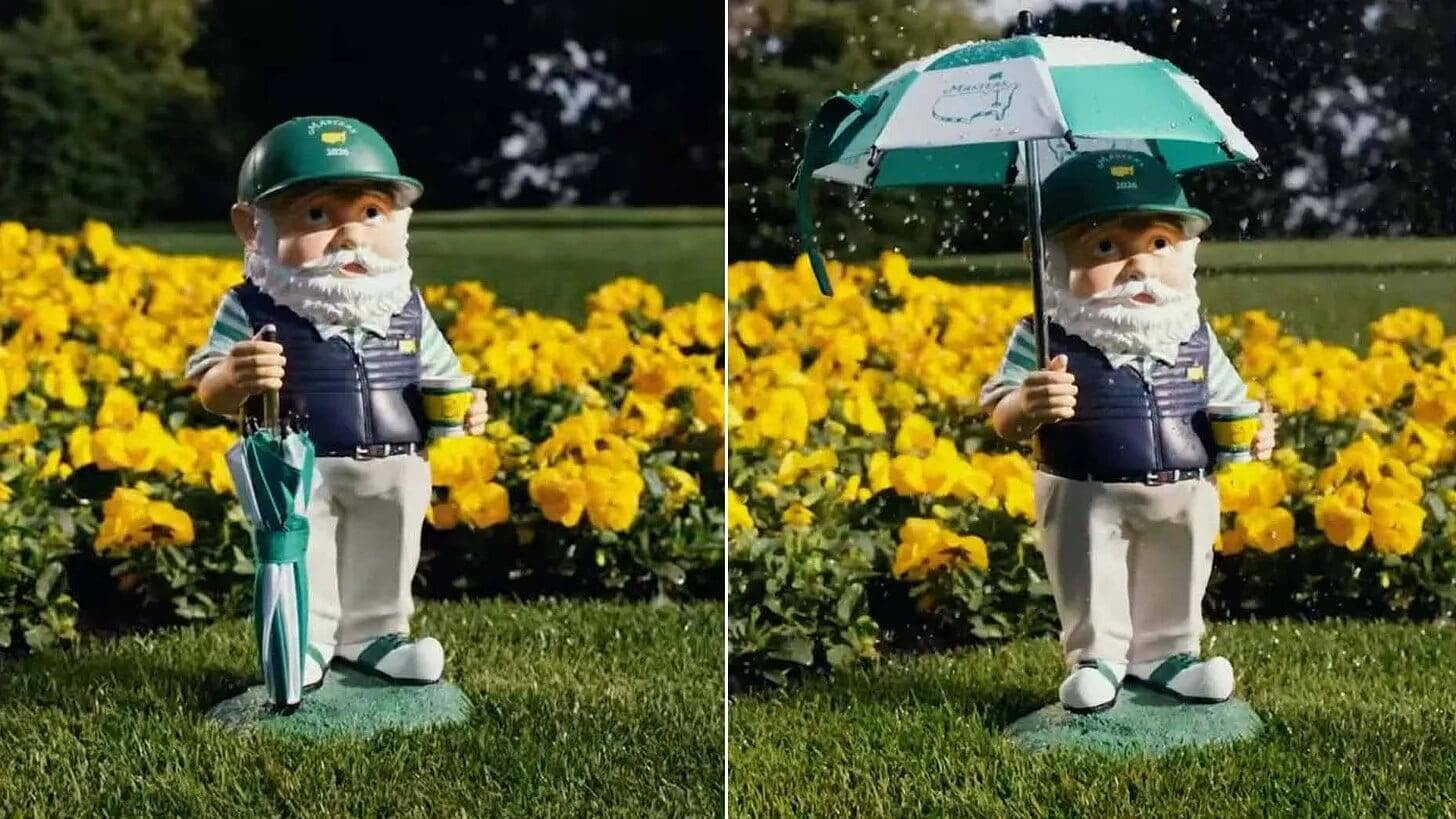
Augusta National releases a new gnome every April. It sells out in hours. The 2026 version includes a working mini umbrella. That tiny detail is not an accident. It’s the heart of a brand strategy most companies never attempt.
It’s a plastic gnome. It costs under $30.
And people lose their minds over it every April.
Augusta National has done something most marketing teams spend entire budgets trying to manufacture: genuine anticipation. The kind where people set reminders, refresh browsers, and call cousins who have tickets to make sure they grab one.
The 2026 Masters gnome features a working mini umbrella. A tiny, functional detail that turns a collectible into a conversation starter. You can almost hear the brief: “It should actually open.” Someone said that out loud. Augusta said yes.
Every year, the gnome evolves. The silhouette stays recognizable. The craft goes deeper. The anticipation builds. And every year, it sells out faster than most brands can ship a reorder.
Augusta doesn’t have a merch strategy. They have a tradition strategy. And those are not the same thing.
Most brands think about branded merchandise the way a hardware store thinks about inventory. Cover every category. Fill every shelf. Have something for everyone. The result is a catalog nobody loves and nobody remembers.
Augusta operates on a completely different logic. One item. One moment per year. Designed to be collected, not just consumed.
I’ve spent decades in this industry. I’ve watched brands drop five-figure budgets on merch programs that disappear into desk drawers by February. I’ve also watched a garden gnome become a cultural touchstone for one of the most prestigious events in sports. The difference is not budget. It’s intention.
The gnome is not just merch. It’s a tradition. And traditions drive repeat engagement better than any loyalty program ever could.
Your Catalog Is the Problem
Most brands approach branded merchandise with a catalog mentality. More SKUs, more options, more coverage. A tote bag for the trade show. A water bottle for the product launch. A hoodie for the team offsite. A notebook for the client gift.
None of it connects. All of it is forgettable.
Volume is the enemy of meaning. The more items you add to a merch program, the less any single item matters. You’re not building a brand identity. You’re filling a supply closet.
The catalog mentality comes from a reasonable place. It wants to serve every audience and every occasion. But in doing so, it serves nothing deeply. It’s the physical brand equivalent of shouting into a crowded room. Loud, unspecific, and ultimately ignored.
Compare that to what Augusta has quietly built.
A fan attends the Masters in 2023. They buy the gnome. It goes on their desk. Their colleagues ask about it. Each April, they look forward to seeing what comes next. By 2026, they have a small collection. The one from the year their kid was born. The one they bought when they finally got tickets. Each is a physical timestamp. A memory with a brand on it.
The shift Augusta made, whether deliberately or not, was from transaction to tradition. From “here’s something to take home” to “here’s something you’ll come back for.”
I’d call this the Signature Drop Model. One iconic item. Released on a predictable cycle. Designed to evolve iteratively while staying recognizable. Limited by design, not by accident. Built to be collected over time.
This model works because it does something most merch programs never attempt. It creates emotional continuity. The item connects one year to the next. It becomes part of how your audience marks time. And brands that become part of how people mark time are not easily replaced.
Here’s the reframe worth sitting with. A brand that releases 40 forgettable items has a catalog problem. A brand that releases one iconic item has a cultural presence. The first gets forgotten. The second gets hunted.
This is the conversation I push clients toward. Not “what do you need for the event?” but “what do you want people to come back for?” The first question has a catalog answer. The second has a strategy answer.
The difference between those two questions is the difference between a promotional item and a trust object.
How to Build Your Own Gnome
“The best brands don’t just make things people want. They make things people wait for.”
That’s not a quote from a marketing book. It’s just the truth, observed across decades of watching brands get this right and get it wrong.
Most brands will read the Augusta story and conclude: we’re not Augusta. We can’t pull that off. But that’s the wrong conclusion. Augusta’s gnome didn’t start as a cultural phenomenon. It started as a well-crafted collectible with a clear identity. The tradition came after. The FOMO came after. The sold-out shelves came after.
Start with one item that could only come from you.
Not one item pulled from a catalog. One item that captures something specific about your brand’s story, your audience’s identity, or the moment you’re marking together. For a law firm, it might be a leather-bound notebook etched with a founding year. For a tech startup, a precision-crafted desk item that references the product’s core mechanic. For an accelerator, a cohort-specific pin that founders collect across program cycles.
The item has to say something. If you swap your logo for a competitor’s and the item still makes sense, start over.
Build in one detail that earns a conversation.
The mini umbrella on the 2026 gnome is not a gimmick. It’s a conversation starter. It gives people something to point at. “Look, it actually opens.” That moment, multiplied across thousands of desks and phones and social posts, is marketing no impression count can capture.
Release it on a predictable cycle.
Anticipation requires rhythm. The gnome works partly because it arrives every April, at Augusta, during The Masters. The timing is part of the meaning. Tie your release to something your audience already cares about. A fiscal year kickoff. An annual client summit. A founding anniversary. The item should arrive at a moment that already has weight. You borrow that weight and attach it to something physical.
Iterate without reinventing.
The gnome changes every year, but it’s always a gnome. Recognition is half the power of a recurring drop. Change the item entirely and you lose the continuity. Change nothing and you lose the reason to return. The sweet spot is a consistent silhouette with an evolving detail. Same family. New story. Think of it like a vintage wine. The label stays recognizable. The year tells you when.
Honor your scarcity.
Limited quantities are a promise. If you say 500 and print 5,000 because demand is high, you’ve broken the trust of everyone who moved fast. Scarcity only creates urgency when it’s real. Start smaller than feels comfortable.
THE CRAFTED TAKEAWAY
The Masters gnome is not a merch win. It’s a positioning win. Augusta didn’t build a product. They built a ritual and attached a physical object to it. That’s replicable. Not by copying the gnome, but by asking a harder question: what annual physical touchpoint would your audience actively plan around? The brand that answers that question owns something no impression count can touch. Traditions beat transactions. Every time.
What’s the one item your brand could release every year that your audience would actually wait for? Reply and let me know.