
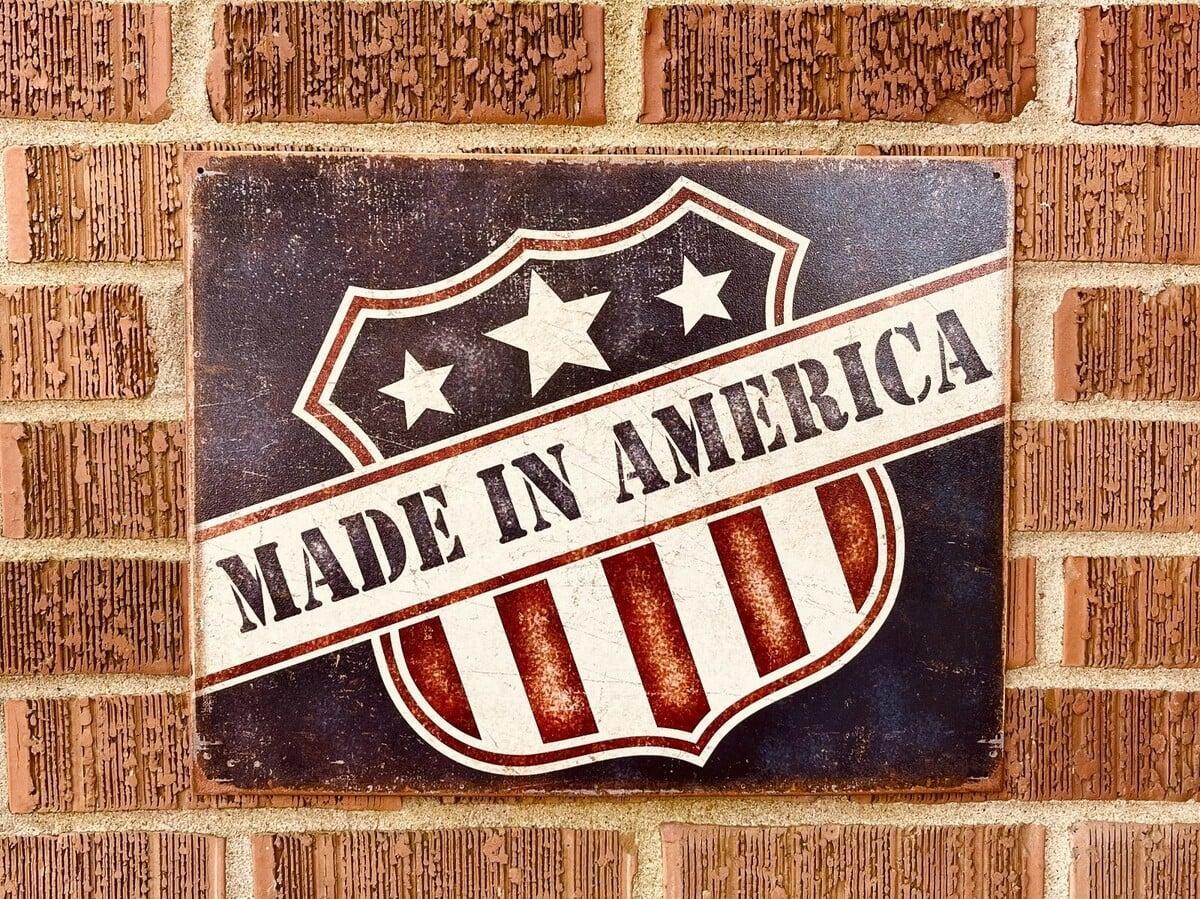
TL;DR: Domestic sourcing isn’t fixing the branded merchandise industry…it’s just giving order-takers a new script.
The branded merchandise industry discovered a new marketing angle. Wrap everything in a flag. Charge 30% more. Call it “premium.” The script may have changed but the underlying problem didn’t.
Most distributors driven by panic pushing domestic sourcing today were pushing overseas manufacturing 18 months ago. Same companies. Same salespeople. Different PowerPoint deck.
Supply chain chaos exposed what we all knew but didn’t want to admit…most distributors have zero control over their supply chain. They’re middlemen managing spreadsheets, not partners managing outcomes. When container ships stalled in Long Beach, the entire house of cards collapsed.
“Made in USA” has real advantages. Shorter lead times. Easier communication. Fewer surprises when something goes sideways. These benefits are real.
But let’s not confuse capability with credibility.
The same distributor who told you “China’s the only way to hit your price point” is now suddenly a passionate advocate for American craftsmanship. The same rep who couldn’t name a single domestic factory last year now has a curated list of “preferred US manufacturing partners.”
If USA-Made is so superior, why were we pushing overseas production so aggressively for decades?
The simple answer? Margins. Overseas manufacturing let mediocre distributors compete on price alone. It eliminated the need for product knowledge, supplier relationships, or any real value-add. Anyone with a website could play.
Domestic production requires actual expertise. You need to know which mills can handle your specs. Which printers have the right equipment. That knowledge takes years to build.
The real issue isn’t where products get made. It’s that most of this industry still treats branded merchandise as a commodity transaction instead of a strategic brand decision. Switching from Shanghai to Cleveland doesn’t fix that.
A cheaply designed, poorly conceived product made in Michigan is still junk. It just costs more. Location doesn’t guarantee craftsmanship. Process does. Standards do. Giving a crap about the outcome does.
Most distributors don’t want to hear that because it requires effort beyond updating their email signature with “Proud Supporter of American Manufacturing.”
These are the same distributors that got into the industry because the barriers to entry have been eliminated. Anyone with $500 can become a distributor. You don’t need product knowledge. You don’t need relationships. You don’t need creative expertise. You just need access to the same websites everyone else uses.
The “Made in USA” trend isn’t wrong. Domestic manufacturing offers real advantages for brands that understand how to leverage them.
But it’s not a silver bullet. It’s a tool. And like any tool, its value depends entirely on who’s using it.
The distributor who couldn’t manage an overseas supply chain won’t magically become strategic because they’re sourcing domestically. They’ll just charge more for the same mediocre service.
The question that marketing execs should be asking: Does your merch partner actually understand domestic manufacturing, or did they just update their website?
Ask them which facilities they’ve visited. How they vet suppliers. What happens when production issues arise. How they ensure quality beyond relying on “made in America” as a sign for excellence.
Most won’t have any answers.
The ones who do? They’re worth the premium. They were worth it before domestic sourcing became trendy, and they’ll be worth it after the market moves on to whatever’s next.
Because your brand deserves merch that tells a coherent story. Where it’s made matters less than why you choose it and what it communicates to the people who receive it.
Everything else is just marketing noise from an industry that’s really good at repackaging the same problems with new vocabulary.
Does “Made in USA” actually change your relationships, or is it just the latest thing distributors put on their website?